Wisdom from Chinese Literary and Buddhist Classics
365 Days for Travelers
11/20: HASTE (EXCERPT)
Zhu Ziqing (1898 - 1948)English translation: Hsin-Yu Huang
Swallows leave, but there will be a time when they return. Willows wither, but there will be a time when they become verdant again. Peach blossoms shrivel up, but there will be a time when they bloom again. But tell me─oh clever one─why do our days run away and never come back?
More than eight-thousand days have already slipped through my hands. Like water dripping from the tip of a needle into the sea, so do my days into the river of time, with neither sound nor shadow.
When I wash my hands, days pass through the basin; when dining, they pass through the bowl; when I am in silence, they pass through my gazing eyes. I perceive that it leaves in haste, and as I reach out my hand to stop it from leaving, it passes by the side of the hand that tries to block its way. At night, when I lie on my bed, it strides off cleverly from my side, and flies away from my feet. As I open my eyes and meet the sun again, another day has gone swiftly, and I cover my face and sigh. Yet the shadow of the new day leaves as quickly as bolts in sighs.
Oh clever one! Tell me, why do our days pass and never return?
── from Zhu Ziqing Quanji
(Complete Works of Zhu Ziqing)
What's New?
NOVEMBER

Humble Table, Wise Fare
INSPIRATION
Recorded by Leann Moore
Kind words-like cloth-
let people warm their hearts;
good words-like fine jade-
let people enjoy using them.

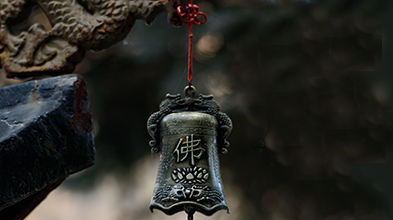

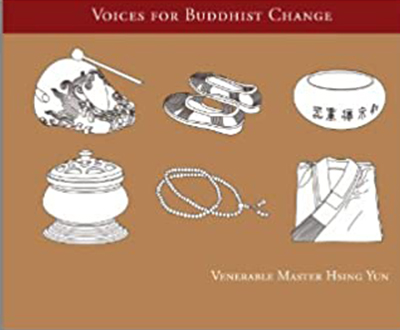
Dharma Instruments
Venerable Master Hsing Yun grants voices to the objects of daily monastic life to tell their stories in this collection of first-person narratives.

Sutra of the Month
The Heart Sutra is a short sutra, commonly chanted individually or in groups, that contains the core teachings on prajnaparamita, or the “perfection of wisdom.” The sutra is short, at only 260 Chinese characters. Included is an English translation of the sutra’s meaning, followed by the Chinese characters and their pronunciation

Newsletter
What is happening at Hsingyun.org this month? Send us your email, and we will make sure you never miss a thing!