Wisdom from Chinese Literary and Buddhist Classics
365 Days for Travelers
10/19: TO BE AT PEACE WITH LIVING AND DYING
Venerable Master Hsing Yun (1927 - , Fo Guang Shan)English translation: Miao Hsi and Cherry Lai
The Pure Land School of Buddhism considers death to be a rebirth. To be reborn is like going abroad or moving to a new house. So, dying is something to be happy about. It is simply the turning point between two phases, the beginning of life in another form. Therefore, there is no need to be afraid. When death arrives, we should take it as it comes and accept it peacefully!
In Buddhism, many highly-cultivated monastics reflect with joy on living and dying. They believe that we should come into this world joyfully and leave it likewise, knowing that there is no end to all the comings and goings! Throughout history, some Chan practitioners passed away while farming the land; some held their own funeral services before dying; others played the flute and left sailing on a boat; still others journeyed east and west bidding farewell to friends and relatives before dying. As they come for the sake of sentient beings and go for the same reason, they have no attachments with either coming or going.
── from Between Ignorance and Enlightenment
What's New?
OCTOBER

Humble Table, Wise Fare
INSPIRATION
Recorded by Leann Moore
A jail is a visible prison;
remorse is an invisible one.
A visible prison confines
the body's freedom;
an invisible prison confines
the mind's case.

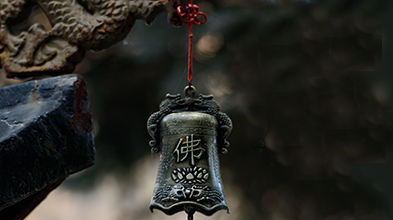

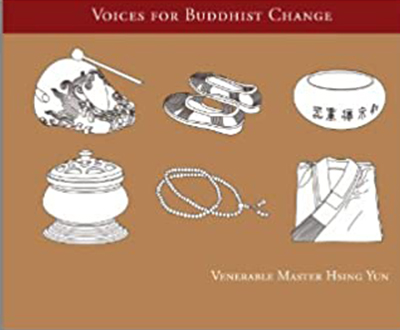
Dharma Instruments
Venerable Master Hsing Yun grants voices to the objects of daily monastic life to tell their stories in this collection of first-person narratives.

Sutra of the Month
The Heart Sutra is a short sutra, commonly chanted individually or in groups, that contains the core teachings on prajnaparamita, or the “perfection of wisdom.” The sutra is short, at only 260 Chinese characters. Included is an English translation of the sutra’s meaning, followed by the Chinese characters and their pronunciation

Newsletter
What is happening at Hsingyun.org this month? Send us your email, and we will make sure you never miss a thing!